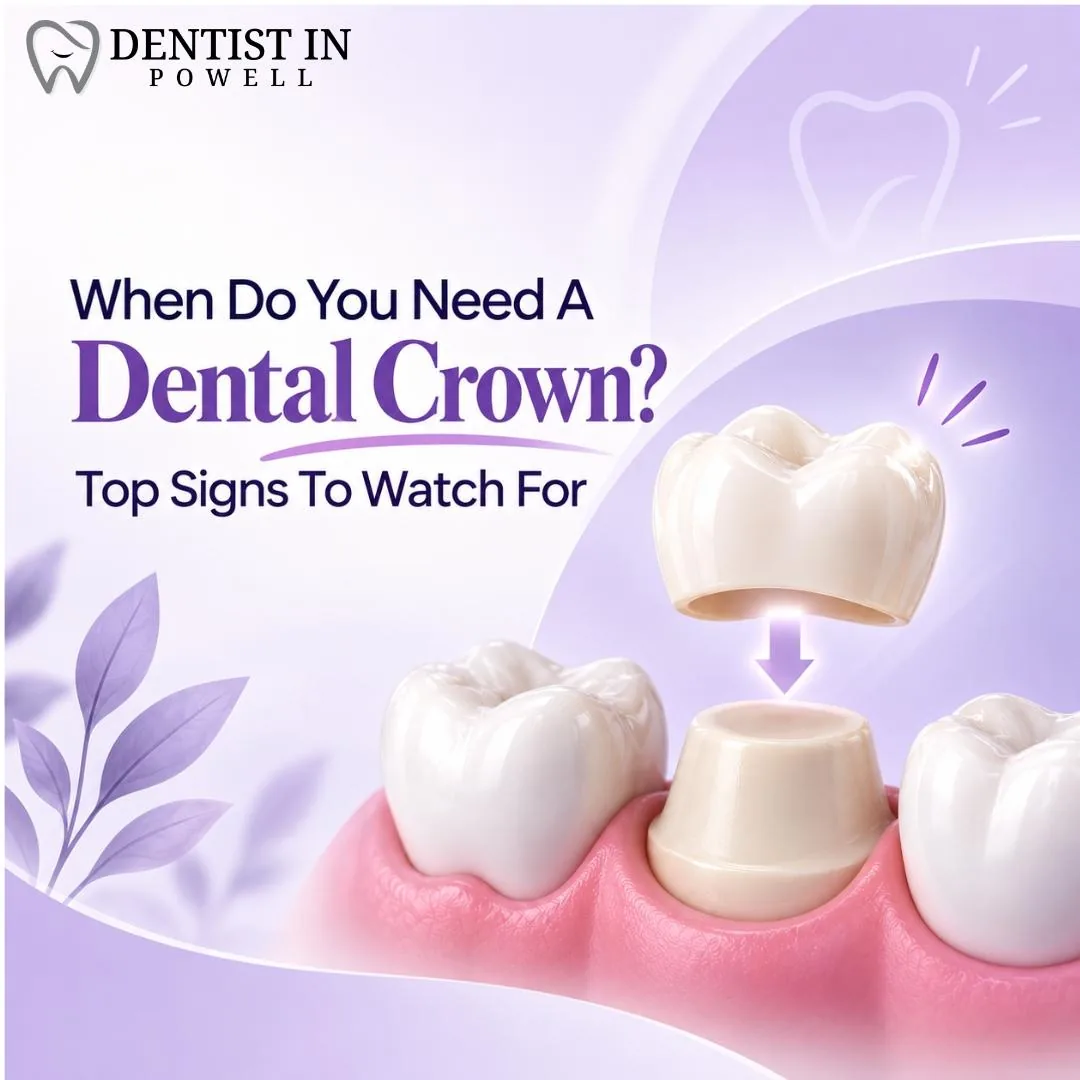
A cracked tooth, a large cavity, or lasting sensitivity can point to a crown. One fact is that a crown often protects a tooth after a root canal.
A dentist often suggests a dental crown when they find serious tooth damage or weakness. Paying attention to early warning signs can help you protect your oral health and avoid bigger problems.
A cracked or fractured tooth often signals the need for a dental crown. The patient reported sudden pain after drinking hot coffee, and the sensation lingered for minutes. Cracks let bacteria reach inner layers and cause decay or sensitivity. Large fillings that wear down can leave the tooth weak and more likely to fracture.
Dental crowns restore strength and protect remaining structure. Crowns last about 5 to 15 years on average, and can last up to 30 years with proper care. The patient received a crown after the root canal and noted less pain and better chewing. This dental restoration also addresses tooth repair, tooth decay, and long term oral health.
Cracked or fractured teeth can lead to more serious issues, such as large cavities or insufficient tooth structure. A large cavity often exceeds what a simple filling can repair. In these cases, a dental crown becomes necessary. It offers extra support and protection for the remaining tooth structure.
Large fillings that wear down over time may also signal the need for a crown. If too much of the original tooth is missing, it might not withstand daily chewing forces. This situation increases the risk of further damage and pain.
Crowns can last between 5 to 15 years with good care. Regular check-ups help ensure lasting oral health and successful restoration with crowns when needed.
A tooth after root canal treatment often requires a dental crown for protection. The procedure removes infected tissue, leaving the tooth vulnerable. Without a crown, it may crack or fracture easily. Many dentists recommend placing a crown immediately after the root canal to restore strength.
Patients frequently report that crowns help alleviate discomfort and provide stability. Crowns protect the treated areas from further damage while enhancing oral health. They can last upwards of 30 years with proper care and maintenance, making them a long-lasting solution for restored teeth.
Severely worn-down teeth often require a dental crown. Such wear can result from grinding, chewing hard foods, or natural aging. This damage weakens the tooth and increases the risk of fractures. Patients may experience sensitivity to hot or cold before seeking help.
A dental crown protects and restores these vulnerable teeth. With proper care, crowns can last for over 30 years. However, their average lifespan ranges between 5 to 15 years depending on several factors like oral hygiene and daily habits. Long-term benefits include improved strength and function of the treated tooth.
Persistent pain during chewing or biting indicates a potential problem with your tooth or dental crown. Sudden discomfort after eating hot or cold foods can signify a deeper issue. If the sensation lingers, it often suggests the need for a dental crown to protect the affected area.
Pain can also arise from an existing dental crown that may have shifted or deteriorated over time. Crowns typically last between 5 to 15 years but might require replacement sooner if problems arise. Seeking professional help is essential in addressing these symptoms and maintaining oral health.
Dental crowns can enhance smiles by masking discolored or misshapen teeth. They also provide support for dental bridges, helping restore function and appearance in a patient's mouth.
Cosmetic improvements often involve dental crowns for discolored or misshapen teeth. These crowns can restore a tooth's appearance and improve overall smile aesthetics. Many people choose crowns when they want to cover imperfections that regular fillings cannot handle.
A crown offers a durable solution while enhancing the look of the tooth. It can significantly boost self-esteem, especially if someone feels self-conscious about their smile. Crowns also help protect teeth that have been treated with root canals, ensuring they remain functional and healthy for years to come. With proper care, these restorations can last from 5 to 15 years, even up to 30 years in some cases.
Anchoring a dental bridge often requires the placement of crowns on adjacent teeth. This process supports the false tooth that fills gaps left by missing teeth. Crowns help to secure the bridge in place, ensuring it stays stable while chewing or talking. Large cavities, too big for simple fillings, may need a crown as part of this restoration option.
Dental crowns can last upwards of 30 years with proper care and maintenance. Patients should understand that good oral hygiene plays a significant role in prolonging their lifespan.
Crowns provide strength and protect remaining tooth structure from further damage, allowing for better functionality and aesthetics. Signs of decay or damage might point toward needing additional dental assessments before proceeding with anchoring procedures like bridges.
Completing a dental implant often involves placing a crown on top of the implant. This crown serves as the visible part of the tooth and restores appearance and function. Many people who have undergone this process report significant improvements in their ability to chew and speak comfortably. The crown protects the underlying implant, ensuring long-lasting results.
Dental crowns can last upward of 30 years with proper care. Regular dental check-ups help maintain both the health of the crown and overall oral health. Completing a dental implant requires precision during placement to avoid complications later on. A well-placed crown helps prevent issues such as tooth sensitivity or damage from an uneven bite sensation.
Delaying a dental crown can lead to increased tooth damage. Ignoring the need for a crown often raises the risk of infection and may result in tooth loss.
Ignoring the need for a dental crown can lead to increased tooth damage. A cracked or fractured tooth often requires immediate attention. If left untreated, cracks can grow larger and affect more of the tooth structure. Large fillings that wear down may expose vulnerable parts of teeth, increasing risks for further decay.
Persistent pain around a tooth signals potential problems with existing crowns as well. Without repair, damaged teeth can worsen over time. Proper care and timely dental procedures help maintain oral health and prevent serious issues down the line.
Those who have experienced severe sensitivity after consuming hot or cold foods should consider seeking advice from their dentist promptly to avoid additional complications related to their condition.
Delaying a dental crown can lead to serious risks, including infection. A cracked tooth or large cavity creates openings for bacteria to enter the tooth's interior. This increases the chances of developing an infection, which may result in severe pain and further complications. Persistent discomfort around the affected tooth often signals a problem with an existing crown or underlying issues that need addressing.
Tooth damage from neglecting restoration can worsen over time. For example, untreated fractures allow decay to progress rapidly, leading to greater risks of infection. Dental crowns protect treated teeth after procedures like root canals, ensuring they remain safe from harmful bacteria.
Ignoring the need for a dental crown can lead to serious issues, including potential tooth loss. A cracked or fractured tooth may worsen if not treated promptly. Persistent pain signals that something is wrong with an existing dental crown or the tooth itself. Over time, extensive damage can result in severe complications.
Large cavities often require crowns rather than simple fillings. Waiting too long puts teeth at risk of infection, which could mean losing them altogether. Proper care and prompt action help prevent these troubles and ensure better oral health outcomes. Individuals can enjoy crowns for up to 30 years with good maintenance, but neglecting treatment increases risks significantly.
Some options can replace dental crowns. Fillings, bonding, and inlays offer great solutions for restoring teeth. Each choice works well depending on the damage level and personal needs. Exploring these alternatives may provide the right fit for one's dental health journey.
Fillings serve as a common solution for treating tooth decay. They repair cavities by filling the damaged area with durable material. This process prevents further decay and protects the tooth's structure. Large cavities often require fillings, especially when they are too big for simple repairs.
While fillings can restore a tooth’s function, they may wear down over time. Individuals with large fillings should regularly check their teeth for signs of damage or deterioration. If significant wear occurs, dental crowns might become necessary to ensure lasting protection and support for the affected tooth.
Tooth bonding offers a quick way to repair minor damage and improve oral appearance. Dentists use a tooth-colored resin material that bonds directly to the teeth. This option works well for small chips, cracks, or gaps in the teeth. For someone with mild discoloration, bonding can provide significant cosmetic improvements without needing extensive procedures.
Patients often appreciate how fast and pain-free tooth bonding can be. The process usually takes less than an hour and requires no anesthesia in many cases. Most dental professionals recommend this treatment when the damage is not severe enough for crowns or other restorations. Tooth bonding serves as an easy alternative that supports both aesthetics and functionality before considering options like dental crowns or fillings if future issues arise.
Inlays and onlays serve as effective options for dental restoration, especially when a filling won't suffice. These treatments fit into the tooth's structure more precisely than traditional fillings. Patients often choose these methods to restore teeth with moderate decay or damage.
They can strengthen the tooth while preserving more of its natural structure than crowns do. In some cases, an inlay or onlay becomes necessary after treating a large cavity that weakens the tooth.
Many people experience great success with these restorations; they last between 5 to 15 years with proper care and maintenance. A dental professional usually assesses whether inlays or onlays are suitable for each individual case.
You may need a dental crown if you have a cracked or broken tooth, severe decay, or if your tooth is worn down.
If you experience persistent pain when chewing or sensitivity to hot and cold foods, it may signal that your tooth needs protection with a dental crown.
Yes, if you have had root canal treatment or large fillings in your teeth, they might require crowns to ensure strength and support.
Your dentist will assess your oral health through an exam and X-rays; they will discuss any concerns about compromised teeth and recommend crowns as needed.
Tell us a little about what you need — we'll be in touch shortly.
4091 W Powell Rd #1, Powell, OH 43065, United States

Hi! I'm Tooth fairy! Your AI Assistant Ask me anything