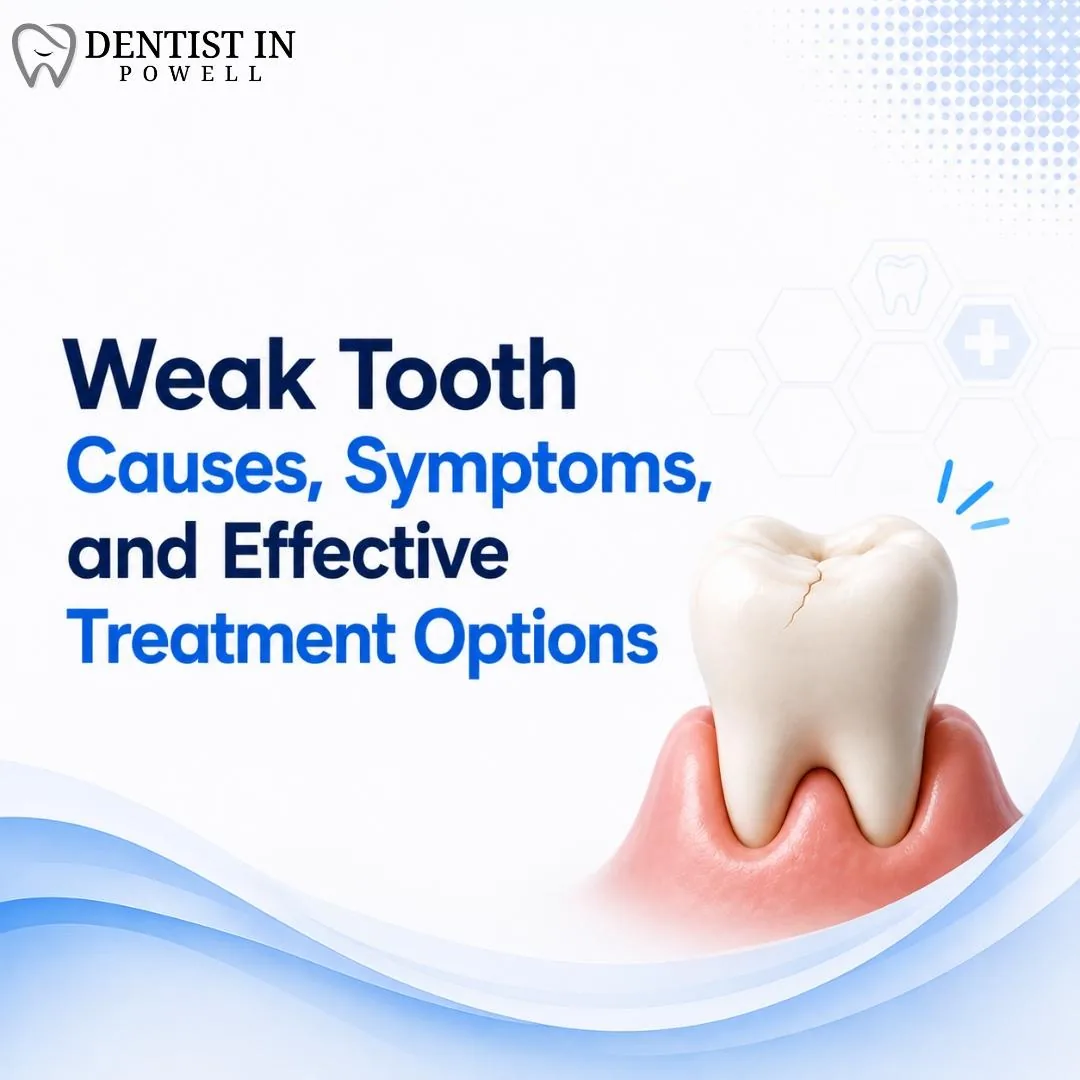
Many people notice a weak tooth and worry about pain or more tooth loss. The problem often starts with thin enamel, gum disease, or cavities. Poor dental hygiene, frequent snacking, and sugary drinks can speed up decay. This can cause sensitivity and loose teeth.
One key fact is that enamel loss makes teeth chip and crack more easily. This piece will list common causes, tell how to spot symptoms, and show treatment options. It will cover oral care, preventive measures, crowns, composite bonding, periodontal care, and restoration.
Weak teeth can arise from several common causes and risk factors. Thinning enamel frequently leads to chipping and cracking. Poor dental hygiene plays a significant role in tooth decay, which is one of the primary reasons for weak teeth.
People who snack often or sip sugary drinks may increase their chances of developing cavities that weaken their smiles. Gum health also impacts tooth strength. Gum disease can cause loose teeth and contribute to overall weakness. Injury or conditions like osteoporosis further compromise tooth stability.
Tooth erosion results from acid exposure from foods, drinks, or stomach acid rather than bacteria; this directly attacks the enamel. Symptoms such as bad breath and swollen gums may signal periodontal issues that require attention to maintain strong dental health.
A person with weak teeth may notice several symptoms. Tooth sensitivity can develop, causing discomfort when eating cold, hot, acidic, or spicy foods and drinks. Gum disease also presents clear warning signs.
Bad breath, swollen gums, and bleeding indicate potential issues. Loose teeth often signal gum health problems as well.
Tooth decay leads to cavities that contribute to weakness over time. Individuals should watch for toothaches as they can be early indicators of serious dental issues. A dental professional might assess these symptoms during regular check-ups; they determine whether the condition requires treatment or extraction based on severity. Addressing these symptoms quickly improves overall oral care and helps maintain healthy teeth and gums.
Weak teeth often require effective treatments to restore strength. Dental professionals can provide crowns to cover damaged teeth, helping to prevent further issues. Composite bonding allows for repairing chips or cracks in enamel. These options enhance tooth durability and appearance.
Improving dental hygiene is crucial for strong teeth. Regular brushing and flossing help combat cavities and tooth decay, which are leading causes of weakness and loss. Eating a balanced diet supports gum health and minimizes erosion caused by acidic foods or drinks.
Individuals experiencing sensitivity should consult their dentist about the best oral care products tailored to their needs.
Common causes include tooth decay, enamel loss, poor dental hygiene, and periodontal issues. Signs include pain, sensitivity, and loose teeth; treatments include better oral care, crowns, and composite bonding.
Enamel protects the tooth and gives it strength. When enamel wears away, tooth structure weakens and sensitivity increases.
You may feel sharp pain with hot, cold, or sweet foods. You may also see chips, cracks, or loose teeth that signal gum health problems and sensitive teeth.
Dentists repair teeth with crowns or composite bonding to restore form and function. They also treat periodontal disease, clean gums, and advise on oral hygiene and dental care.
Brush twice a day, floss daily, and use fluoride toothpaste to protect enamel. Keep good dental hygiene and oral care, and get regular dental checkups to prevent tooth decay and maintain gum health.
Tell us a little about what you need — we'll be in touch shortly.
4091 W Powell Rd #1, Powell, OH 43065, United States

Hi! I'm Tooth fairy! Your AI Assistant Ask me anything