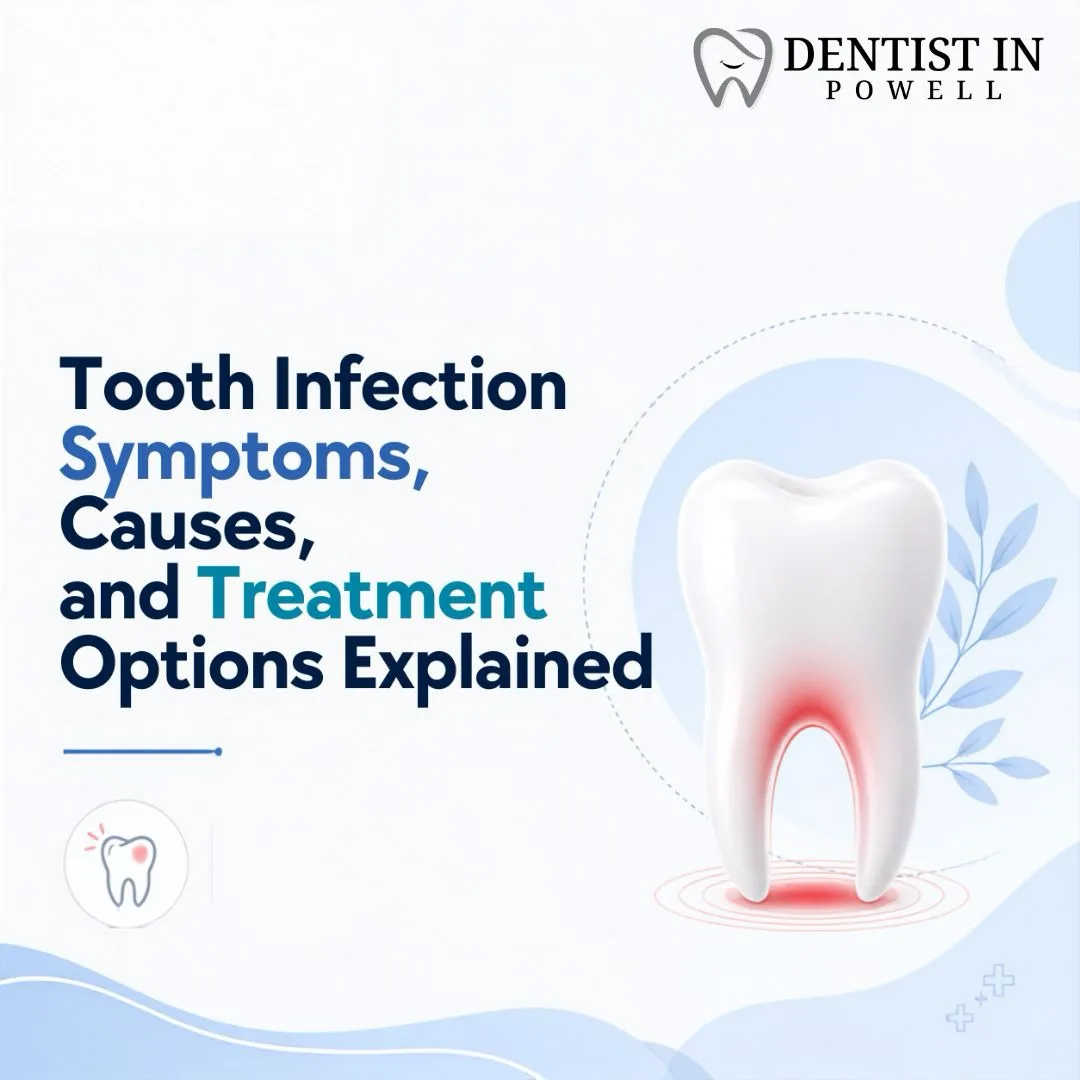
Many people wake at night with a sharp toothache. They feel pain, sensitivity to hot or cold, and swelling. They may notice a bad taste or chronic bad breath too. These signs can point to a tooth infection or a dental abscess.
A tooth abscess is a pocket of pus caused by a bacterial infection near the tooth. The infection often starts from untreated cavities, gum disease, or a failed filling. Below you'll find the symptoms to watch for, what causes them, and the tooth infection treatment options we offer in Powell, OH.
Understanding tooth infections helps you identify their symptoms early. The most common sign is a persistent toothache, which often presents as deep, throbbing pain in the affected area. Sensitivity to hot or cold foods and beverages frequently occurs alongside this pain.
Swelling and inflammation around the infected tooth are key indicators of an abscess. A dental abscess may appear as a red, swollen bump or pimple on the gums. You may also notice a bad taste in your mouth and chronic bad breath during an infection. Fever can accompany these symptoms, signaling that care is needed soon — see our guide to when tooth pain is a dental emergency if you're unsure how quickly to act.
Tooth infections often arise from untreated decay and gum disease. Bacteria enter the tooth through cavities, dental injuries, or failed dental work. Poor oral hygiene practices increase the risk of these infections, and trauma to a tooth can also lead to an infection if bacteria gain access to the inner pulp.
Patients with existing gum disease face higher chances of developing a tooth abscess. Sensitivity to hot or cold foods can signal that something is wrong. A toothache may be deep and throbbing, indicating an infection's presence, and swelling around the affected area highlights the need for immediate attention from a dentist. Treating tooth decay early is the simplest way to keep a small cavity from becoming an infection.
Antibiotics often treat bacterial infections like tooth abscesses. Dentists may also perform a root canal to remove infected tissue and save the tooth. For severe cases, tooth extraction might be necessary to eliminate pain and prevent further complications. Pain relief medications can help manage throbbing pain in the jaw or tooth as well. Our post on how dentists stop an abscess fast walks through what an emergency visit looks like step by step.
Preventing tooth infections starts with good oral hygiene practices. Regular brushing and flossing reduce plaque accumulation on enamel. Routine dental check-ups catch decay early before it leads to serious issues, and avoiding sugary foods lowers the infection risk associated with untreated cavities or gum disease.
Don't wait out a toothache. Book an appointment with Dentist in Powell or call (614) 659-0018 if you have pain, swelling, or a fever — early treatment stops the infection and protects the tooth.
A tooth infection causes toothache, sharp pain, and strong sensitivity to hot or cold. You may see swelling near the tooth or on the face. The area can form an abscess that drains pus, and you may notice a bad taste or persistent bad breath.
Bacteria cause most tooth infections. A deep cavity, a cracked tooth, a failed filling, or a gum infection can let bacteria reach the tooth root. That can lead to an abscess and increasing pain.
Dentists ask about your symptoms and check the mouth for pain and swelling. They press the gum and look for a red bump or pus. X-rays help spot a bacterial infection near the root and show how far it has spread.
Treatment can include antibiotics to fight the bacterial infection, draining the abscess, and a root canal to remove infected tissue and save the tooth. If the tooth is too damaged, extraction may be the safest option.
See a dentist right away for severe toothache, swelling, or fever. Seek care if sensitivity or pain lasts more than a day. Early treatment stops the infection and prevents worse problems.
Tell us a little about what you need — we'll be in touch shortly.
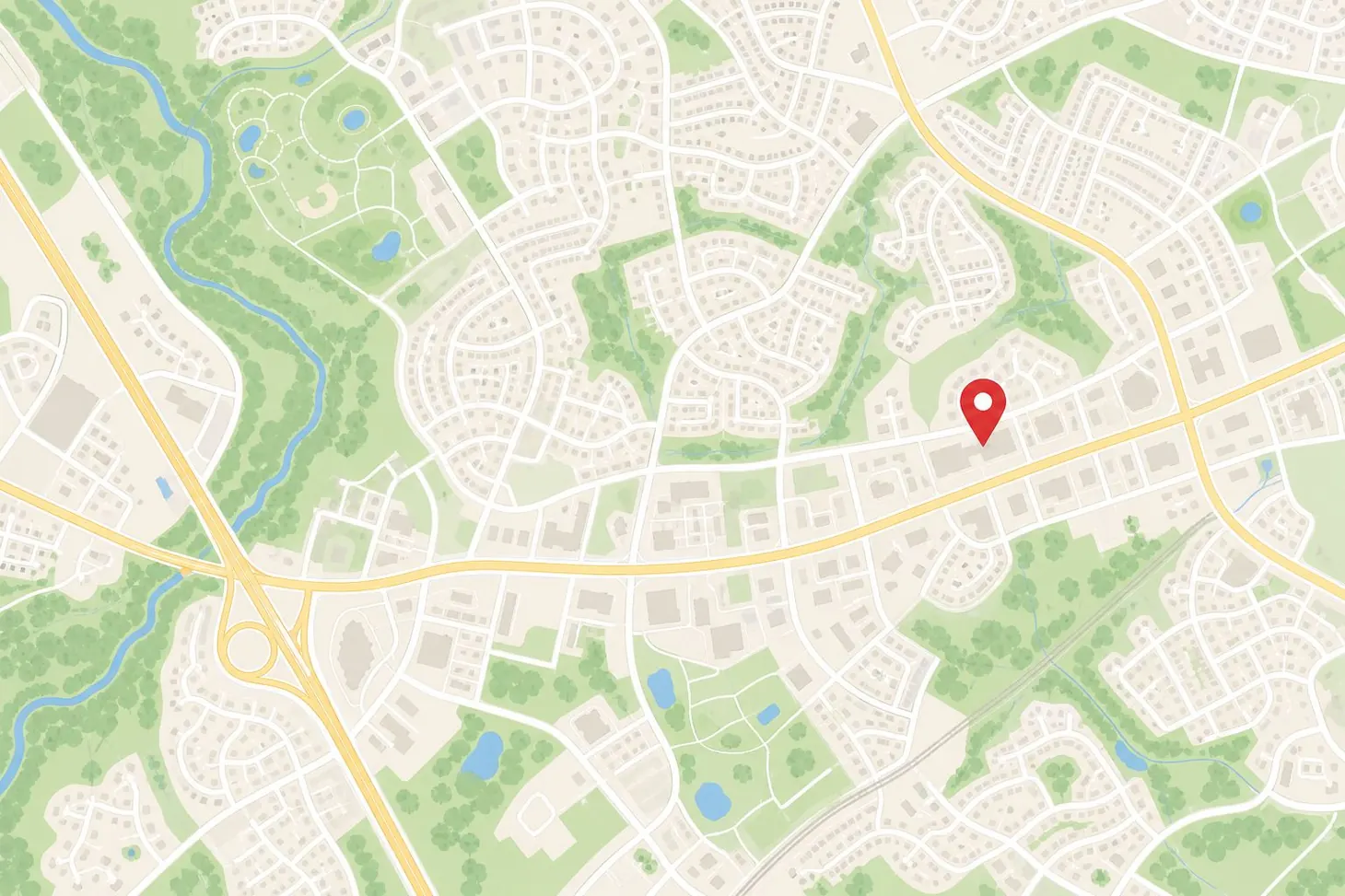
4091 W Powell Rd #1, Powell, OH 43065, United States
Hi! I'm Tooth fairy! Your AI Assistant Ask me anything