Many people face a chipped tooth or a filling that keeps failing. They worry about pain, cost, and losing natural teeth. This can feel like a small problem that keeps coming back.
One clear fact helps here. Inlays and onlays can last ten to thirty years when placed well. They save more of the real tooth than a crown.
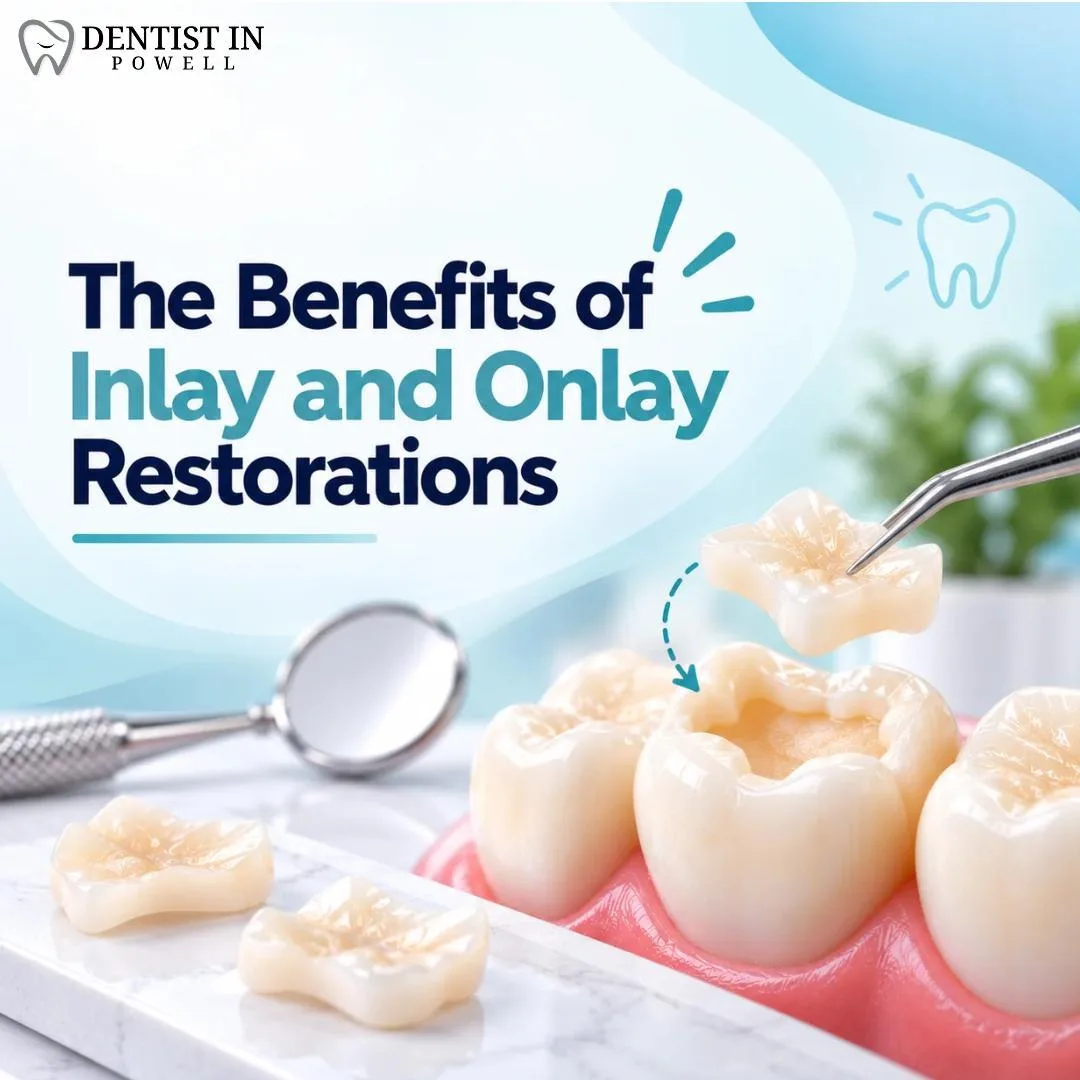
Inlays fit inside the chewing surface between the cusps. Onlays cover one or more cusps and sometimes the whole biting surface.
Dentists place both as part of tooth restoration and dental restorations work. They treat tooth decay and fix old fillings. These options fall under prosthodontics and minimally invasive dentistry.
A dentist orders inlays and onlays from a lab or mills them in the office. They use gold, ceramic, or composite materials. The pieces bond to the tooth for strength and dental aesthetics.
Patients keep more natural teeth than with crowns. This approach protects oral health and often costs less over time.
Inlay and onlay restorations fix teeth without cutting away too much healthy enamel. They give teeth a fresh start, making smiles last longer and look better.
Inlay and onlay restorations focus on saving as much of the natural tooth as possible. Dentists remove only damaged areas. This approach preserves healthy structure, making it a thoughtful choice for treatment. Patients appreciate keeping more of their original teeth intact.
These restorations fit snugly into the cavity, creating a strong bond with existing tooth material. Such fits maintain stability and strength over time. Many people find comfort knowing they have chosen a minimally invasive solution that emphasizes preserving oral health while restoring functionality to their smiles.
Moving forward, understanding the enhanced durability and strength of inlay and onlay restorations shows why they are so popular among dental professionals.
Inlay and onlay restorations offer impressive durability. They withstand daily wear and tear much better than traditional fillings. Many people choose materials like gold, ceramic, or composite resin for these restorations.
These options provide strength that resembles natural tooth structure. A dentist may recommend an inlay or onlay for a tooth with significant decay because they can bear more pressure compared to regular fillings.
Patients often appreciate how long-lasting these solutions are. Some studies show that inlays and onlays last over 10 years with proper care. This longevity makes them a smart choice for anyone focused on oral health and dental aesthetics.
The focus shifts to the aesthetic benefits of inlays and onlays. These restorations blend seamlessly with natural teeth. They come in materials like ceramic and composite resin that can mimic tooth color perfectly. Patients appreciate this lifelike quality, especially when smiling or speaking.
These options help maintain a person's smile without looking artificial. One significant advantage remains their ability to match existing dental shade and texture closely. Each restoration looks just like part of the patient's original smile, helping boost confidence while promoting good oral health at the same time.
Inlay and onlay restorations not only look great but also save money in the long run. These dental solutions last longer compared to traditional fillings, which means fewer replacements over time. Patients appreciate that they reduce the need for frequent repairs or additional treatments.
Investing in these types of restorations can pay off. Many options, like ceramic choices, resist wear and tear better than basic materials. Plus, their durability helps maintain good oral health by protecting weakened teeth from further decay.
This combination makes them a cost-effective choice for anyone wanting a lasting solution without breaking the bank.
Dentists use various materials for inlays and onlays. Gold shines bright with its strength, while ceramic offers a natural look that blends right in. Composite resin provides flexibility and can match the tooth color perfectly. Each material serves a purpose based on individual needs and preferences.
Gold stands out as a popular choice for inlay and onlay restorations. Its strength lasts longer than other materials. This metal can withstand significant chewing forces, making it ideal for back teeth.
Patients appreciate how well gold blends with natural tooth structure. Many people opt for gold due to its durability and low wear rate on opposing teeth.
Many dental professionals recommend gold because it requires minimal removal of the natural tooth when placing restorations. Over time, these gold inlays or onlays resist corrosion and maintain their shape.
A patient once shared how their gold restoration made eating enjoyable again without worries about breaking down their repair. Gold may seem old-fashioned to some but provides reliable oral health benefits that continue to shine bright!
Ceramic materials stand out in dental restorations. Their tough nature gives them excellent durability and strength for inlays and onlays. Many dentists prefer ceramic because it closely resembles natural teeth. This helps maintain a smile’s aesthetics while offering solid protection against tooth decay.
Patients often report satisfaction with ceramic restorations. The smooth finish resists staining, keeping smiles bright over time. Dentists create custom shapes that fit perfectly, ensuring comfort during daily activities like eating or speaking.
With ceramic options, individuals experience effective tooth restoration along with enhanced oral health.
Composite resin is a popular choice for inlay and onlay restorations. This material blends well with natural teeth, allowing for a seamless look. Dentists apply composite resin directly to the tooth structure, molding it to fit perfectly.
This process requires less removal of healthy tooth material compared to other options.
With its strong bonding capabilities, composite resin provides durability while maintaining aesthetics. Patients can enjoy a restored smile without sacrificing their dental health.
Using this versatile material supports long-lasting oral health outcomes too. Now, let’s explore the procedure for placing inlays and onlays effectively.
The process for placing inlays and onlays involves several key steps. First, the dentist removes any decay or old filling from the tooth. Then, they take impressions to create a perfect fit just for that tooth.
Dental professionals start the inlay and onlay restoration process by removing any decay or old filling. They use special tools to carefully clean out damaged areas of the tooth. This step is crucial for ensuring a healthy foundation for the new restoration. Once they eliminate all unhealthy material, they prepare the tooth for its next stage.
In one instance, Sarah visited her dentist feeling pain from an old filling gone bad. The dentist discovered decay underneath it and needed to scrape everything away first. After a thorough cleaning, he made sure that no traces of damage remained before placing her new onlay. That way, Sarah could enjoy improved oral health and protect her smile for years to come.
Taking impressions is a critical step in placing inlays and onlays. The dentist prepares the tooth by cleaning it thoroughly. Next, they use special materials to create an impression of the prepared area. This accurate mold captures every contour of the tooth.
After creating the impression, customization comes into play. Laboratories use this mold to craft individualized restorations that fit perfectly in each patient's mouth. This process ensures that the final product not only fits snugly but also looks natural among existing teeth.
Many patients report feeling excited as they notice how well their new restorations blend in with their smiles!
The process moves smoothly from taking impressions to the final placement. Dentists first check the fit of the inlay or onlay before bonding it to the tooth. They use a special adhesive that creates a strong connection between the restoration and natural tooth structure. This bond helps restore function and stability.
After placing, they cure or harden the adhesive using a light. Patients can leave with their smile restored in one visit. Most people find this method quick and effective for dental aesthetics while enhancing oral health.
Proper care ensures longevity for these restorations, making them perfect choices for anyone facing tooth decay issues.
Aftercare for inlay and onlay restorations plays a key role in maintaining oral health. Patients should keep up with their dental hygiene routine. Brushing and flossing are essential to prevent plaque buildup.
Regular checkups help catch any issues early, making it easier to address them. These simple steps can ensure a long-lasting smile that shines bright.
Dental hygiene maintenance plays a crucial role in keeping inlay and onlay restorations intact. Regular brushing helps remove plaque from around the restorations. Flossing daily reaches areas that a toothbrush can’t, helping to prevent decay between teeth.
A dentist visit every six months is vital for checking the health of these restorations. Cleanings help keep gums healthy and catch any issues early. People often overlook dental care after getting new restorations, but this step is key for lasting oral health. With proper care, individuals enjoy their beautiful smiles for years to come.
Routine dental checkups play a vital role in maintaining oral health. These visits help catch issues like tooth decay or gum disease early on. Patients often feel anxious about these appointments, but they simplify the process of keeping teeth and gums healthy.
One patient shared their experience. During a recent checkup, the dentist discovered an issue with an old filling before it became serious. This saved them time and money down the road.
Regular checkups also keep restorations like inlays and onlays looking great. They offer peace of mind by ensuring everything stays in order and helps to maintain that bright smile.
Inlay and onlay restorations are dental procedures used to repair teeth that have moderate decay or damage. They fit into the tooth like a puzzle piece, restoring its shape and function.
These restorations provide strength to damaged teeth while preserving more natural tooth structure than crowns. They also look great, blending seamlessly with your smile.
With proper care, these restorations can last many years, often over a decade. Regular dental check-ups help maintain their durability.
Yes, they often offer better support for weakened teeth compared to traditional fillings. Fillings may not hold up as well under pressure; inlays and onlays provide extra strength where it is needed most.
Tell us a little about what you need — we'll be in touch shortly.
4091 W Powell Rd #1, Powell, OH 43065, United States

Hi! I'm Tooth fairy! Your AI Assistant Ask me anything