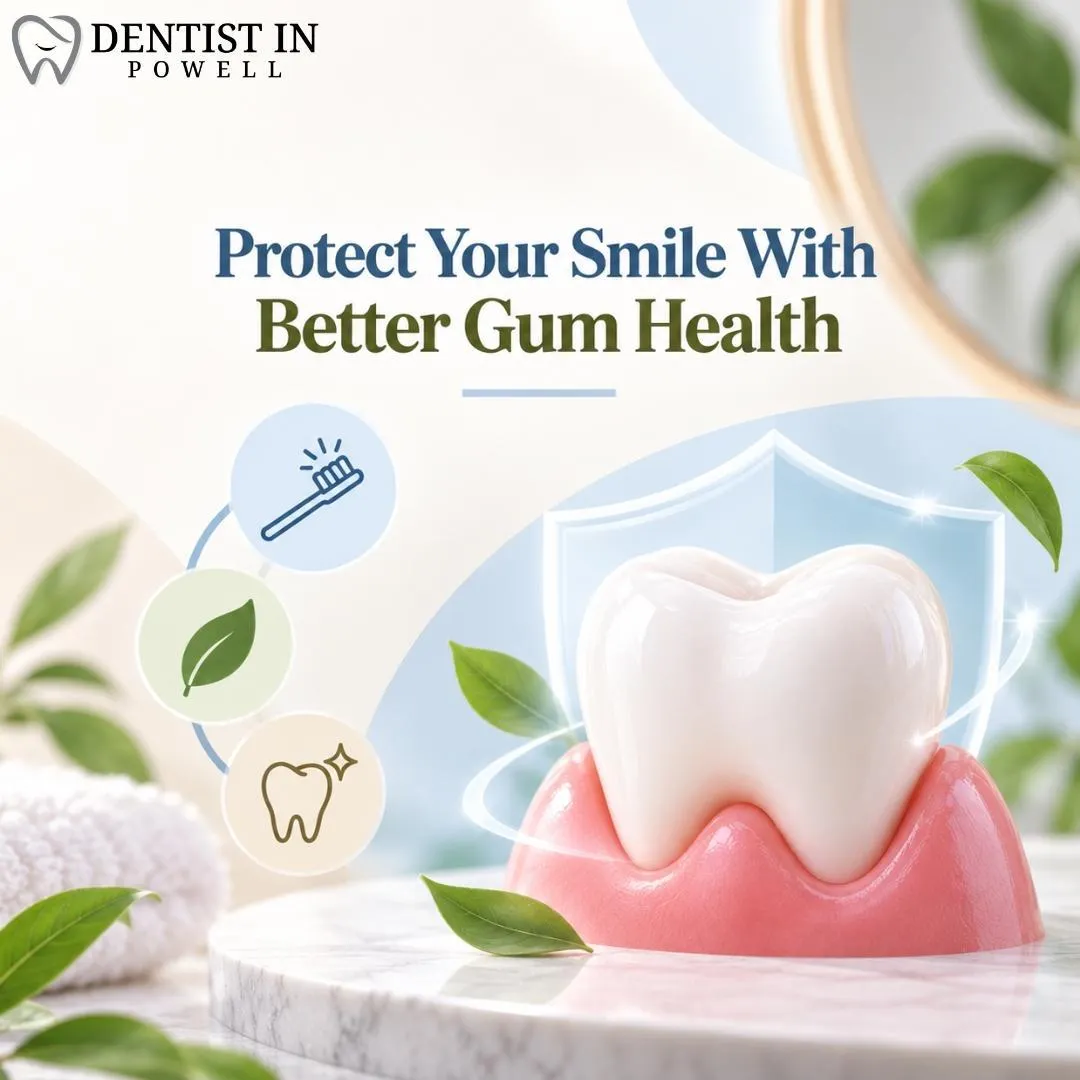
Many people wake with tender or bleeding gums. They worry about bad breath and a shrinking smile. These signs can make anyone hold back a grin. The problem feels personal, but it is common.
Gum disease is more common than many people realize. Here you will know about brushing, flossing, mouthwash, healthy food, and regular dental checkups.
Healthy gums keep teeth in place and protect them from trouble. Strong gum care lets smiles shine longer, keeping visits to the dentist less scary.
Brush teeth and gums twice daily. Floss daily to remove food and plaque from between teeth. Brush for at least two minutes with fluoride toothpaste to drive plaque removal. Use mouthwash to freshen breath and cut bacteria, since gums act as a barrier that keeps harmful bacteria and toxins from entering the bloodstream. Gum disease is more common than many people realize, and it can affect heart health.
Schedule regular dental checkups to catch problems early. Dentists check periodontal health, spot receding gums, and advise on plaque removal. A balanced diet supports gum tissue and protects bone around teeth. Good daily brushing, flossing, and dental care protect your smile and keep periodontal health strong.
Healthy gums play a vital role in oral health. Gum disease often sneaks up on people, making it more common than many realize. These infections can cause pain and lead to tooth loss if left untreated.
Beyond the mouth, problems with gums may affect heart health too. Strong teeth need strong gums as their support system; they help protect bone structure and enhance the beauty of each smile.
Daily brushing for at least two minutes helps keep plaque at bay. Flossing removes food particles stuck between teeth, creating a cleaner environment for gums to thrive. Using fluoride toothpaste can also boost gum health by strengthening enamel and preventing decay.
Visiting the dentist regularly ensures professional plaque removal, which is essential in maintaining good periodontal health over time. A balanced diet contributes significantly to overall gum well-being; nutrients from fruits and vegetables promote healthy tissue growth around the teeth.
Good gum health keeps smiles bright and healthy. Regular brushing, flossing, and using mouthwash make a big difference.
Daily oral care helps remove plaque build-up before it can cause problems. Dental checkups give professionals a chance to spot issues early on.
Maintaining proper oral hygiene plays a crucial role in better gum health. Strong gums support a healthy smile and protect against gum disease.
Focusing on these actions will help everyone maintain better gum health for a lifetime of smiles!
Regular dental checkups play a vital role in maintaining gum health. During these visits, dentists spot problems early and help prevent gum disease, which affects more people than many realize.
They also monitor plaque buildup that can lead to complications. Dental professionals recommend these checkups at least twice a year.
Good gum health supports the beauty of one’s smile and acts as a barrier against harmful bacteria entering the bloodstream. A dentist's insights can guide individuals to better oral hygiene practices, including daily brushing and flossing. With such support, everyone can take charge of their periodontal health effectively.
Gum health is essential for a radiant smile. Recognizing the warning signs of gum issues can help everyone maintain their oral hygiene.
Taking notice of these signs helps in protecting smiles and ensuring improved periodontal health for years to come.
Gum health plays a crucial role in your overall dental wellbeing. Healthy gums support your teeth and help prevent tooth loss. When your gums are strong, they keep bacteria at bay, which can lead to better breath and a brighter smile.
You can improve gum health by brushing twice daily with fluoride toothpaste, flossing regularly, and visiting the dentist for check-ups. Eating a balanced diet rich in vitamins also helps strengthen your gums.
If you notice swollen or bleeding gums while brushing or flossing, it may be time to take action. Bad breath that lingers could signal underlying issues too; don’t ignore these warning signs.
Absolutely! Stress can weaken your immune system, making it harder for your body to fight off infections like gum disease. Finding ways to relax might just save both your sanity and your smile!
Tell us a little about what you need — we'll be in touch shortly.
4091 W Powell Rd #1, Powell, OH 43065, United States
Hi! I'm Tooth fairy! Your AI Assistant Ask me anything