Missing teeth can make daily life hard. Patients may avoid crunchy foods, feel self-conscious about their smile, or slur certain words. Many want a fix that looks natural and works well.
Dental Bridges replace missing teeth and restore chewing function. This simple prosthetic also keeps other teeth from shifting and helps the face keep its shape.
Dental bridges act as lifelines for people with missing teeth. They fill the gaps and bring back confidence to smiles.
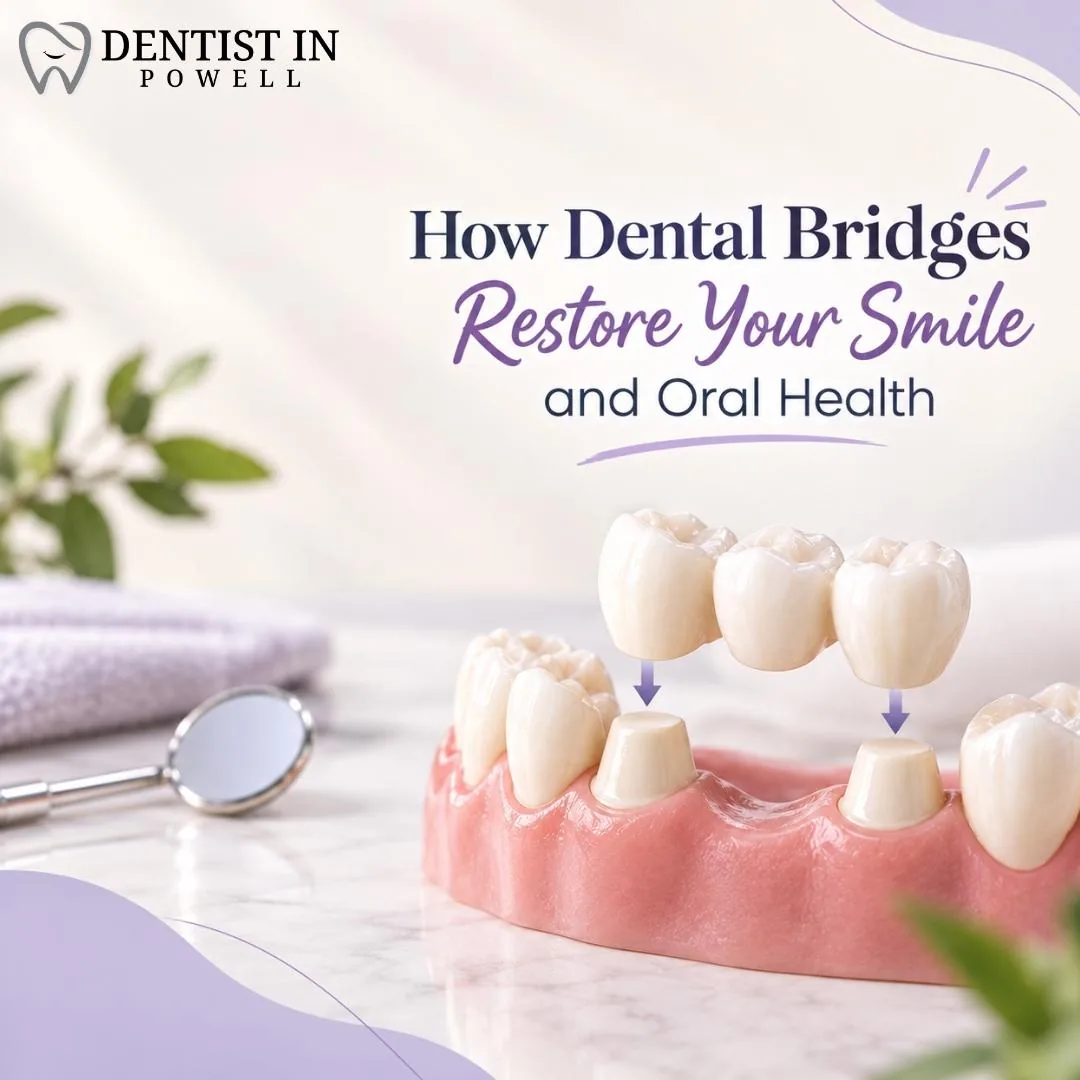
Bridges act as prosthetic restorations that replace missing teeth and restore chewing function. Nearby crowns or dental implants anchor a pontic, or prosthetic tooth, to fill gaps. This distribution of bite forces protects remaining natural teeth.
Patients notice clearer speech, better chewing function, and visible smile enhancement. Facial shape stays intact, which prevents sagging and supports gum health. Such restorations reduce tooth shifting and lower the risk of future oral health problems. Many people regain confidence in daily life after this form of tooth replacement.
Dental bridges fill the empty spaces created by missing teeth. They use prosthetic replacements, known as pontics, to bridge these gaps. Crowns support the pontics and attach to adjacent natural teeth or implants. This setup prevents remaining teeth from shifting out of place. A well-aligned bite helps maintain oral health and functionality.
Bridges also make eating easier by improving chewing ability. With dental bridges, individuals can enjoy their favorite crunchy snacks without worry. Properly distributing biting forces reduces strain on remaining teeth too.
These restorations even enhance speech clarity, allowing for clearer pronunciation of sounds associated with missing teeth. Overall, dental bridges restore both confidence and function in a patient’s smile while keeping oral health intact.
Dental bridges offer many benefits. They improve appearance and give people the confidence to smile again.
Bridges improve aesthetics by filling gaps left by missing teeth. A complete smile boosts confidence and enhances overall appearance. Each bridge features a pontic, which is the replacement tooth, supported by crowns on adjacent teeth. This design allows for a natural look that can blend perfectly with existing teeth.
Patients notice a significant change in their smiles after getting dental bridges. They also find it easier to communicate clearly. Missing teeth often make speech difficult; replacing them restores the ability to pronounce words correctly. With a renewed smile, individuals feel more comfortable expressing themselves in social situations.
Dental bridges play a vital role in improving oral functionality. They fill gaps left by missing teeth with prosthetic replacements. This restoration allows patients to chew food properly again.
Imagine biting into a crunchy apple without hesitation! Dental bridges also help distribute the bite forces evenly across remaining teeth. This reduces strain and prevents further damage or discomfort.
These devices enhance speech clarity too. Many sounds rely on having a full set of teeth, so losing them can affect how one communicates. With dental bridges in place, people regain their confidence in speaking as well as eating.
Missing teeth may lead to various oral health issues like shifting and misalignment of remaining teeth; however, dental bridges effectively prevent those problems from occurring. They restore smiles while also supporting overall gum health and oral hygiene practices.
Dental bridges come in different styles to suit various needs. Each type serves a unique purpose, accommodating the specific preferences and conditions of patients.
Traditional dental bridges offer a straightforward solution for replacing missing teeth. They consist of two crowns on the adjacent healthy teeth, which support a false tooth called a pontic in the middle. This arrangement helps fill gaps where teeth are missing and restores normal chewing function. Patients can enjoy their favorite crunchy snacks without worry.
These bridges also enhance appearance and improve oral health by preventing other teeth from shifting out of place. Properly fitted traditional bridges distribute bite forces evenly, reducing strain on remaining natural teeth.
With this type of restoration, people often regain confidence as their smile improves dramatically. Understanding how implant-supported options work will shine light on another effective solution for tooth replacement.
Implant-supported dental bridges offer a strong solution for replacing missing teeth. They fill gaps with prosthetic teeth anchored by dental implants. This method improves chewing ability and helps maintain proper bite forces, reducing strain on natural teeth. Patients report enjoying their favorite crunchy foods without worry thanks to these sturdy bridges.
These bridges also preserve facial structure, preventing sagging or changes in shape caused by tooth loss. By keeping remaining teeth aligned, they help avoid future oral health problems. Many who choose this option find that it boosts their confidence and restores their smile, making everyday interactions feel much better.
Dental bridges are fixed prosthetic devices. They replace missing teeth and help restore your smile. A bridge spans the gap left by lost teeth.
Bridges prevent remaining teeth from shifting out of place. They also help maintain bite alignment, which is crucial for proper chewing and speaking.
There are several types of dental bridges, including traditional, cantilever, and Maryland bonded bridges. Each type serves a different need based on your specific situation.
With proper care, dental bridges can last five to fifteen years or more. Regular check-ups and good oral hygiene will keep them in top shape for longer periods.
Tell us a little about what you need — we'll be in touch shortly.
4091 W Powell Rd #1, Powell, OH 43065, United States

Hi! I'm Tooth fairy! Your AI Assistant Ask me anything