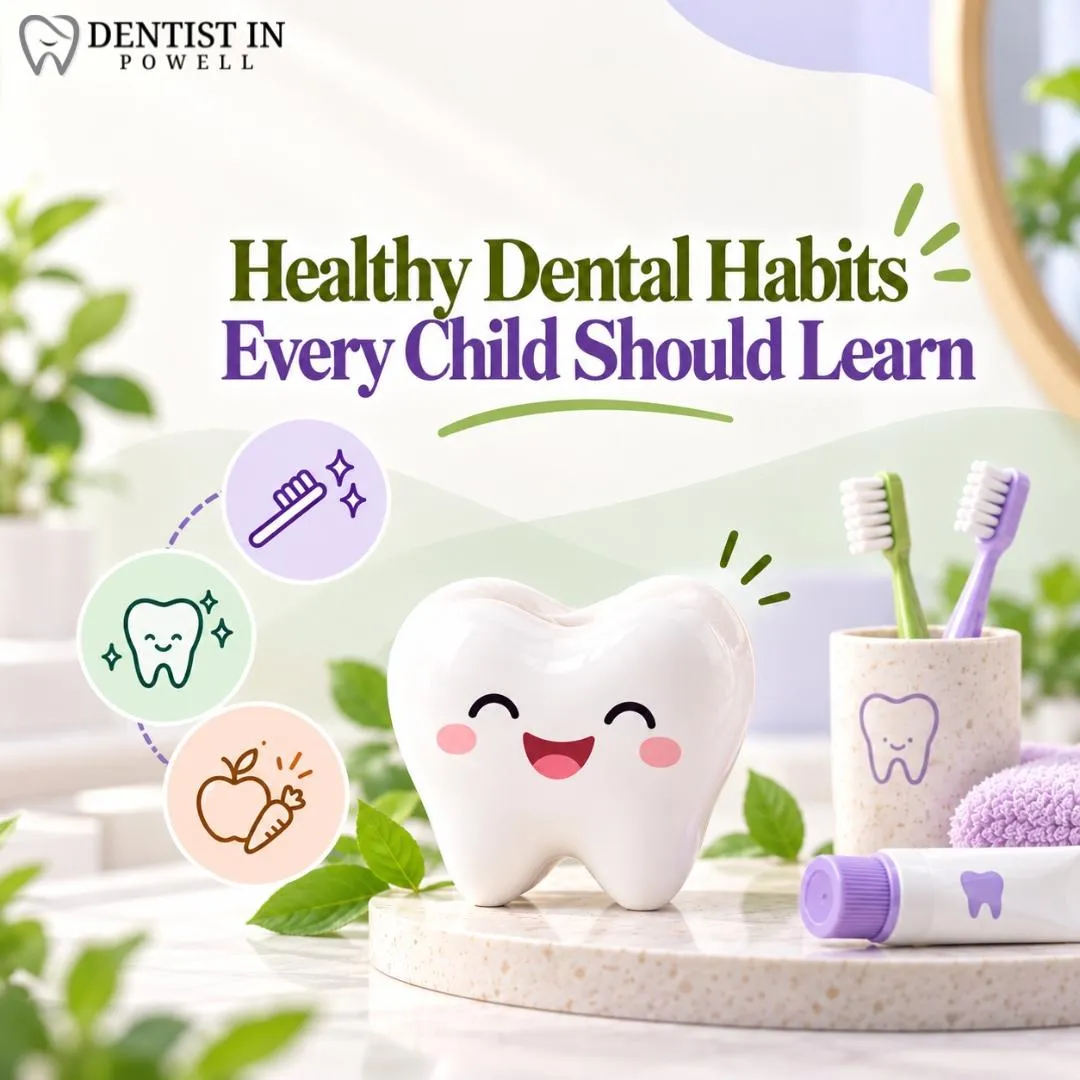
Many parents worry when a child gets a cavity or forgets to brush. Children may resist brushing or eat sugary snacks. These problems can lead to tooth pain and more dentist visits.
A good fact helps: children should brush with a soft toothbrush two times each day for about two minutes. This guide gives clear steps to build healthy dental habits. It covers brushing, daily flossing, using fluoride, picking low sugar foods, drinking more water, and visiting the dentist twice a year.
This guide shows the simple routine families can follow.
Children need to practice good dental care every day. Strong oral hygiene helps prevent tooth decay and keeps their smiles healthy.
Good brushing protects baby teeth and adult teeth. Caregivers should pick fluoride toothpaste and soft brushes.
Flossing daily is essential for maintaining healthy gums. It removes plaque and food particles that brushing alone may miss.
Healthy snacks and limiting sugary foods will further support these good habits and improve children's overall dental care practices.
Children should visit the dentist every six months. These routine checkups help ensure good oral health. During these visits, dentists can spot potential issues early, such as cavities and plaque buildup.
They provide preventive care that protects children’s teeth from decay.
Brushing with fluoridated toothpaste is important for children at home. Dental professionals teach kids how to brush correctly using small circular motions with a soft-bristled toothbrush.
Regular dental visits make it easier to maintain healthy dental habits as children grow up. Next, parents can encourage healthy dental routines at home.
Parents can help kids enjoy brushing their teeth by using fun toothbrushes and flavors of toothpaste. They can set a good example by maintaining their own dental habits and involving children in family oral care activities.
Making oral hygiene enjoyable can encourage children to develop good dental habits. Using a colorful toothbrush can attract kids and make brushing more enjoyable. Parents can choose a fluoride toothpaste with exciting flavors, like bubblegum or strawberry.
Children may feel excited about brushing their teeth if they get to select their own tools. Music also adds an element of fun; playing a two-minute song while they brush makes the time pass quickly.
Creating games around dental care keeps kids engaged too. Parents might turn tooth brushing into a friendly competition by timing each other, seeing who brushes longer or better. Storytelling during flossing turns it into an adventure, making it easier for children to understand its importance for healthy gums.
These techniques not only promote good oral hygiene but also establish essential preventive care against cavities and tooth decay in children's health.
Limiting sugary foods and drinks greatly benefits children's dental health. Sugar encourages the growth of bacteria in the mouth, leading to tooth decay. Children should select beverages that are low in added sugar, such as water and milk.
These options help wash away food particles and keep teeth strong. Parents can encourage healthy snacks like fruits and vegetables instead of candy or cookies.
Helping children understand the importance of good nutrition is essential for cavity prevention. Eating a balanced diet supports oral hygiene and overall wellness. Sweet treats should only be occasional indulgences, not everyday choices.
Focusing on nutritious meals reduces plaque buildup on teeth; this keeps cavities at bay. Healthy eating habits now can lead to better dental care later in life.
Early dental education plays a crucial role in shaping children's oral hygiene habits. Parents should start teaching good practices even before the first tooth appears. This sets a strong foundation for lifelong health.
A child should brush their teeth with a soft toothbrush twice each day, each session lasting about two minutes. Using fluoridated toothpaste is essential during these brushing sessions to prevent cavities.
Regular visits to the dentist are vital for children’s health and development. Scheduling dental checkups every six months allows dentists to monitor oral care and identify potential problems early.
Flossing daily also promotes healthy gums and prevents plaque buildup. Teaching young ones about nutritious snacks low in added sugar can further reduce tooth decay risks. Drinking plenty of water helps maintain overall dental health by washing away food particles and neutralizing acid in the mouth.
Healthy dental habits for children include brushing teeth twice a day, flossing daily, and visiting the dentist regularly. These actions help prevent cavities and gum disease.
You can make brushing fun by using colorful toothbrushes or flavored toothpaste. Set a routine and brush together to show them the importance of good oral care.
Learning about dental health early helps children understand how to take care of their teeth. Good habits formed in childhood often last a lifetime, leading to healthier smiles.
Children should limit sugary snacks and drinks like candy, soda, and juice. These foods can cause tooth decay if consumed too often without proper cleaning afterward.
Tell us a little about what you need — we'll be in touch shortly.
4091 W Powell Rd #1, Powell, OH 43065, United States

Hi! I'm Tooth fairy! Your AI Assistant Ask me anything