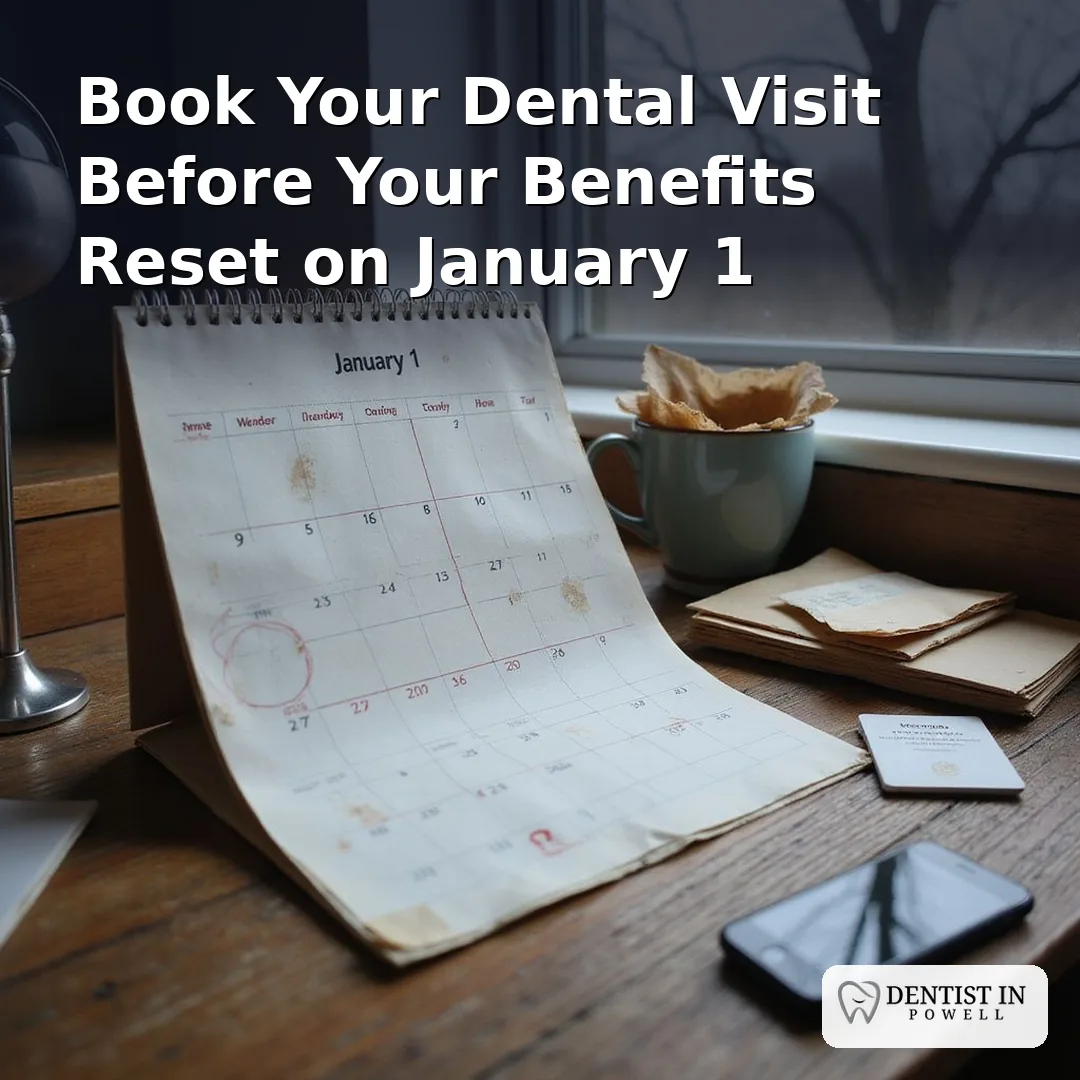
An overdue checkup can slip to the bottom of a busy list. Then January 1 arrives, and unused dental insurance benefits may go to waste.
Many plans reset their yearly limits on January 1, and they do not carry unused benefits into the new year. This guide explains how to check coverage, book care early, and avoid the rush.
Booking a dental visit before January 1 is smart. It helps use your benefits fully and avoid wasting them.
Patients may use their current dental benefits for covered care before the plan resets on January 1. Dental teams often find that patients feel more at ease after they review what benefits remain and plan a visit. Unused benefits may not carry over to the new year.
Many dental plans set a yearly limit, and unused benefits often do not carry over after January 1. A patient who delays care may lose the chance to use coverage already available. Dental teams often see appointments fill quickly near year-end, so booking early can give patients more time to use their benefits. Each plan differs, so patients can check their remaining coverage before scheduling.
After patients check their unused benefits, they can book early to avoid the year-end rush. Dental offices may fill their schedules as January 1 gets closer, so an early call gives patients more appointment choices.
Dental insurance can be tricky. Each plan is different and might not cover everything you expect.
Routine checkups and cleanings are usually covered by dental insurance. These visits help keep teeth healthy. They catch problems early, which prevents bigger issues later on. Fillings for cavities also fall under typical coverage. Most plans include basic restorative care too.
Major procedures like crowns or root canals may be part of the plan as well, but they often come with higher costs. Patients should review their specific coverage details to know what applies to them. Understanding these services can help people make informed choices about their dental health needs moving forward.
During a benefit check, a patient may see how the annual maximum and deductible affect the amount the plan pays.
| Plan term | What it means | What to check |
|---|---|---|
| Annual maximum | The most the plan pays in a plan year | Amount left before January 1 |
| Deductible | Amount the patient pays before the plan pays for some care | Amount met so far, and which services count |
A dentist’s network status can affect a patient’s costs, but each plan sets its own rules.
| Topic | In-network dentist | Out-of-network dentist |
|---|---|---|
| Plan rates | Often uses rates set by the plan | May charge rates set by the office |
| Plan payment | Often follows the plan’s in-network rate | May be lower, or may not apply |
| Patient cost | May be lower | May be higher; the patient could owe the difference |
| What to check | Confirm the dentist is in the plan’s network | Ask the plan how it covers out-of-network care |
Once the network choice is clear, patients can review which procedures may fit before benefits reset.
Common dental procedures to think about include checkups, cleanings, fillings, and crowns. These visits help keep smiles bright and healthy. They also make the most of those benefits before they reset. There’s lots more to learn about scheduling your appointment!
Checkups and cleanings are key for good dental health. Regular visits help catch problems early. A dentist will check for cavities, gum issues, and other concerns during these visits.
Cleaning removes plaque and tartar from teeth. This keeps them bright and healthy. Many people feel fresh after a cleaning; it’s like a mini spa day for their mouths! Booking these appointments before benefits reset is smart, as they often cover the cost fully.
Fillings fix cavities. They stop decay and help keep teeth strong. A dentist will clean out the cavity first, then fill it with a material that matches your tooth color or silver. This simple procedure often takes less than an hour.
Basic restorative care also includes crowns and bridges. Crowns cover damaged teeth to protect them. Bridges replace missing teeth using nearby ones for support. These treatments improve smiles and make chewing easier.
It's smart to schedule these services before benefits reset on January 1, especially as major procedures can take more time and planning than fillings do.
Crowns are strong caps placed over damaged teeth. They protect the tooth and restore its shape. A root canal treats infection in the tooth’s pulp. It helps save a tooth that might otherwise need removal. Other major procedures may include bridges or implants, which replace missing teeth.
Scheduling these treatments before benefits reset is wise. This can keep dental costs lower for patients seeking care they need now rather than later. Checkups and cleanings must also be part of your plan to maintain oral health moving forward.
Finding a dentist is easy. Start by looking for one that takes your insurance. Then, check how much of your benefits you have left. A quick call can clear things up fast! Don’t wait too long to set up your visit, though; spots fill up quickly as January 1 approaches.
Finding a participating dentist is important for getting the most from dental benefits. A good dentist can make your visit smooth and stress-free.
It's important to know how much dental insurance you have left. This can help in making the most of your coverage before it resets.
Taking these steps can help make dental visits smoother and more effective while using up those valuable benefits!
Booking a dental appointment early is smart. It keeps your smile bright and your benefits intact.
Taking these steps helps everyone involved stay organized and ensures a smoother visit for all, thus making it easier to maintain good oral health while maximizing dental benefits before they reset!
Understanding dental insurance can feel like a puzzle. Review your plan details closely to make the best use of your benefits. Ask your dentist about how long treatments will take. This way, you won’t miss out on care you may need later on!
Looking at the details of a dental plan can be helpful. Check what services your insurance covers. This includes cleanings, fillings, and other treatments. It is also important to know your yearly maximum benefit and deductible amounts. Knowing these numbers helps avoid surprises later.
Make sure to ask your dentist about any plans they have for treatments you may need soon. A little planning now can save time and stress later. Being clear on coverage will help choose which procedures to do before benefits reset on January 1. Next, it's time to explore common procedures that should be scheduled right away.
Talking about treatments can help a lot. Patients should ask their dentist how long different procedures will take. This way, they can plan better. Knowing the timeline helps avoid surprises later on.
Some treatments may need more than one visit. It’s important to understand this early on. If patients know what to expect, they feel more comfortable and ready for their appointments. Clear communication opens up options that fit with personal schedules and needs.
Future treatment needs matter a lot. After a dental visit, many people find out they need more work later on. Planning ahead can save time and money. It might be helpful to ask the dentist about any upcoming treatments during your appointment.
This way, you can use your benefits wisely. Making decisions before benefits reset is smart. A little foresight goes a long way in keeping smiles bright and healthy!
Many dental plans reset their benefits on January 1. Use your current coverage before it renews, or you may lose benefits you have not used.
Your plan may reset its yearly limit, deductible, or covered visits. Check your dental insurance details, since plans differ.
Often, plans cover some preventive care, such as cleanings and exams. Call your dentist to ask what your plan covers and book a visit.
Ask your dentist about a care plan and available dates. If you need treatment, booking early can help you use this year’s benefits before January 1.
Tell us a little about what you need — we'll be in touch shortly.
4091 W Powell Rd #1, Powell, OH 43065, United States
Hi! I'm Tooth fairy! Your AI Assistant Ask me anything